Sermon for the Conversion of St. Paul
January 25, 2015
Cathedral Church of St. Paul
The Very Rev. Jeanne Finan
ALMOST
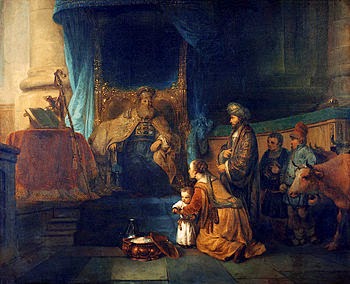
Paul is telling his story to King Agrippa.
Most likely he is standing there in chains
before this august group of Roman leaders,
royally seated upon their ruling seats of power.
Agrippa is the last of King Herod’s descendants.
Paul is telling his conversion story
and all the story that came after that experience on the road
to Damascus.
Conversion.
What does it mean to convert?
We can convert inches to centimeters,
kilograms to pounds,
dollars to euros.
Our bodies convert food to energy.
But Paul’s conversion has nothing to do with learning the metric systerm,
or getting travel money
or learning to count calories.
Or even making a conscious decision to convert from one faith tradition
to another.
Paul’s conversion is a conversion of the heart.
And it was dramatic and unexpected and stunning.
Even as he stands here in front of the King,
twenty-five years or so after he saw the bright light and heard the voice
that would change the entire course of his life,
even now, it is still so vivid it feel like it was yesterday.
Paul tells his story with passion.
On the morning of that day of conversion,
Saul woke up---
that’s right, he went by the name of Saul at that time--
he was a Pharisee and he did not like the “saints”--
his name for Christians.
It wasn’t that Saul was evil or cruel;
he was a faithful man
he believed these Christians were way off base.
He did not believe that Jesus was the Messiah
and he resented those followers of Jesus going around
spreading the “good news”
because it was upsetting his orderly world.
Saul believed he was doing the right thing to persecute Christians,
to get rid of them.
Saul had not a doubt that he was right.
But on that day, traveling to Damascus, everything changes.
There is a light, there is a voice, and in the course of three days,
Saul realizes how wrong he has been.
Saul is so changed that he receives a new name--Paul--
and a new life.
Conversion.
The Hebrew word which translates to “convert”
means to turn back or to return.
The word can also mean restore--
as it does in Psalm 23--
God restores my soul.
God converts my soul.
Convert in a religious context, in a scriptural context
means to return us, to restore us,
to what we are created to be.
Conversion restores us to the relationship with God
that was always intended.
Somewhere along the way
we may have gotten lost,
or maybe we never even got started,
but something happens
and we find ourselves changed beyond rational explanation.
The direction of our life takes a turn.
It as if a compass is placed in our hand
and now we know how to find the way home.
This is what happened to Paul on the road to Damascus.
He wasn’t seeking conversion.
He thought he knew the direction and purpose of his life.
Paul is just as amazed, just as stunned, as everyone who knew him.
There is another amazing thing about this story in Acts.
King Agrippa is almost converted.
He almost believes Paul.
ALMOST.
We have to read ahead a few verses
but if we did, in verse 28 we would hear
King Agrippa speaking to Paul and saying,
Are you so quickly persuading me to become a Christian?
King Agrippa is almost convinced.
ALMOST.
Paul will not be freed. He will go to jail. He will be executed.
But King Agrippa hears the passion
of a man who has found his way.
Many of us would love to have a conversion experience
as clear and as dramatic and as convincing as Paul’s.
Probably some of you have had that type of experience.
It might not be something you share very often
but dramatic, mysterious conversion experiences still happen.
Why is it full steam ahead for some of us
but only “almost” for others
and for some, it is never more than “you must be kidding me”?
Frederick Buechner writes:
“If only Paul had been a little more eloquent.
If only Agrippa had been a little more receptive, a little braver,
a little crazier.
If only God weren't such a stickler
for letting people make up their own minds without forcing their hands.”
Buechner is right.
God lets us make up our own minds.
God gives us free will to make the decision.
Conversion is a total overhaul of our hearts.
It can happen in a split second flash of brightness
or it can happen slowly,
following one teeny tiny blinking LED bulb
along a winding path.
Or we can keep the door barred and say, No. No, thank you.
Some of you have spent the last three days here at the Cathedral
watching the simulcast of the Trinity Institute.
Some of us, for a variety of reasons,
followed along on our iPads at home or as we traveled.
This year’s theme “Creating the Common Good”
focused on economic inequality,
the growing gap between the have’s and the have not’s,
and the gospel imperative to fight economic oppression.
This conference has not been about personal conversion
but about collective conversion.
How is God working with us, with our churches,
to speak out against injustice?
St. Paul has some wise counsel for us.
Remember that he was not afraid to speak the truth to power.
He stood in chains before King Agrippa but he stood.
And he spoke.
The Bible--both Old Testament and New Testament--
calls us repeatedly to confront the powers and principalities
and speak up.
Many of us are very fortunate, very blessed,
and God calls us
to use our privilege and power
to bring about God’s kingdom on earth.
Nothing tells us to wait for heaven.
Paul also shows us that we all have need for repentance,
for a change of heart in some ways.
Paul had no agenda when he was persecuting Christians,
just as we have no agenda to oppress the poor.
But God always calls us to listen and to look closely--
especially when we think we are so very right--
and so very not-guilty of any offense.
We are already at work.
JUMP provides direct services.
VIA works to change systems that are broken.
SASH offers our senior citizens, often some of the poorest of our citizens,
care and comfort.
Cathedral Square Housing has almost 800 people on their waiting list.
800 people who need safe, clean affordable housing.
We recycle. We compost.
We cook meals and serve at the Salvation Army and other shelters.
We pray.
Yes, prayer matters.
Never believe that it doesn’t.
We are blessed to have so many ways to engage,
to engage in creating the common good.
Everyone is needed.
God’s heart is open to all of us.
Conversion is about opening our hearts to God
but also opening our hearts to one another,
even the others we don’t know,
the others we don’t know much about.
In the words of our patron saint St. Paul,
If I speak in the tongues of mortals and of angels,
but do not have love,
I am a noisy gong or a clanging cymbal.
Conversion is about love.
God loving us so much that the desire is to draw us closer
and to have us live the life God dreams for us.
Conversion is about love.
Us loving God so much
that we really believe
that we can change the world.
Monday, February 23, 2015
Listening for God
January 18, 2015
Cathedral Church of St. Paul, Burlington, Vermont
The Very Rev. Jeanne Finan
Listening for God
Hannah wanted a baby.
Scripture doesn’t tell us much about her husband Elkanah
and his desires,
but we do know that Hannah longed for a child.
She prayed to God for a baby
She sat at the doorway into the sanctuary of the Temple in Shiloh
and prayed and prayed.
Please, God...listen.
The priest Eli saw her and heard her praying--
she was praying so fervently and so non-stop
that at first he thought something was wrong with her--
this constant mumbling of prayers over and over and over.
But when he Eli talks with Hannah,
he realizes the goodness of her heart.
He blesses Hannah and she is then blessed and becomes a mother.
She has a little boy
and she names him Samuel.
Some say that Samuel means God has heard.
God has heard your prayers, Hannah.
In gratitude Hannah dedicates Samuel to God
and after he is weaned he goes to live in the Temple
to serve and to be educated by the priest Eli.
One night, when Samuel is around 12, maybe 13 years old,
he hears a voice calling his name.
“Samuel, Samuel.”
It is so distinct that it wakes him from sleep.
Samuel thinks it is the priest Eli calling him.
So he gets up and goes to Eli
and asks, “What do you need?”
Eli tells Samuel,
“I don’t need anything. I never said a word.
I was asleep.”
So Samuel goes back to bed
and back to sleep.
But he hears the voice call his name again.
Samuel. Samuel.
And again Samuel goes to Eli
and again Eli says,
“Samuel, I did not call you.”
But then,after this happens three times,
Eli understands-- that someone IS calling Samuel.
It is not Eli.
It is God.
God is calling Samuel to become the leader that is needed at that time.
God is calling Samuel to do a new thing,
to restore what is falling apart,
to build up what is being torn down.
God is calling Samuel to break the news to Eli
that his own sons will not take over his position of authority and power,
but this boy--this young boy Samuel--
is the one that God has chosen to lead.
How do we know when God is calling us?
Often that voice is not as clear as it was for Samuel.
We may not have an Eli handy to interpret for us
in the middle of a dark night.
Listen.
What is God saying to YOU? What is God saying to me? To us?
What is God calling us to be, to do?
We need to understand that answering God’s call
is not always easy or pretty.
Indeed, Samuel is going to face many challenges.
as will Jesus and his disciples.
Even in this season of Epiphany,
as we count the stars shining in the heavens,
we are on a journey that will soon cross over into Lent
and Holy Week and we will find ourselves once again
at the foot of the cross.
Listening to God is accepting risk,
Doing the right thing often has a hefty price tag.
About a week ago Tom and I went to see the movie SELMA.
We both found it to be an excellent film,
a film which brought back memories,
both good and very bad
from the time when we ourselves were teenagers.
I remember Selma.
I was not there.
But Selma came into my house via the television
in our living room in Raleigh, North Carolina.
Selma entered into my very protected white middle class world
as it was spread out upon the front pages of the newspapers.
Like many people in the United States,
my parents
were horrified at what happened in Selma.
My parents were not activists in the civil rights movement.
but they knew wrong from right
and they knew that people were people.
regardless of the color of their skin.
They knew it was wrong to bludgeon an unarmed person with a billy club.
People marched in Selma
because they had heard God calling them to freedom from oppression.
They did what they believed was right,
what they believed was right in God’s eyes.
The first march took place on March 7, 1965.
They were marching from Selma to the state capitol of Montgomery
to speak out for voting rights.
That march, often known as “Bloody Sunday,”
involved about 600 marchers.
Those marchers--men and women,
young and old--
were viciously attacked
as they crossed over the Edmund Pettus Bridge after leaving Selma.
Alabama State troopers and County officials
attacked the unarmed marchers with billy clubs and tear gas.
And it was televised around the world.
The second march took place two days later
when Martin Luther King, Jr,
along with clergy of many different faith traditions
led a much larger crowd over the bridge once more.
Only this time when the marchers and the troopers and the police
confronted each other,
the troopers stepped aside.
Was it a trick? A trap?
What did it mean?
None of the marchers, none of the leaders of the march, know.
There is a powerful scene in the film
when King and the marchers stand there motionless--
and then King and all the religious leaders kneel
and then the marchers lined up for miles behind them kneel
and they bow their heads and they pray.
They listen.
They let go of their agenda and their plans
and they listen.
After they pray--
and this is no twenty second toss up prayer--
King stands and turns
and leads the marchers
back to the church where they had begun.
Some people are upset,
angry that they did not keep marching;
but others understand that Martin Luther King, Jr.
and some of the other leaders that day
felt that God called them to turn around,
to wait for the promised court order that would hopefully offer protection
for the marchers to travel safely from Selma to Montgomery.
Tragically, that very night, James Reeb,
a Unitarian Universalist minister from Boston,
who had come to Selma with thousands of others
to march in the second march,
was beaten to death by a group of angry white men.
Answering God’s call can be dangerous.
Even deadly.
But it can also make a difference.
Bloody Sunday and Reeb’s death led to a national outcry
and motivated the passing of a new federal voting rights law
to enable African Americans to register and vote without harassment.
There was a third march that began in Selma on March 25.
That group of marchers--now over 25,000 in number--
made it from Selma to Montgomery to speak in support of voting rights.
God keeps calling,
calling us to root out the hatred and fear
that is still breeding--
not only in this country but throughout the world.
God calls us to monitor carefully the little seeds
of fear and prejudice and anger
that breed in our own hearts.
God seeks to shine light into every dark nook and cranny
of injustice and oppression.
And yes, there are still a lot of dark nooks and crannies.
We are God’s hands and feet in this world.
This is no accident.
At times we are called to speak and to act,
but at times we are called to be quiet,
to be absolutely silent and to listen.
To be still.
God hears us and our prayers
but God also wants to be heard.
Feast not Facts
Sermon for the Feast of the Epiphany
Tuesday, January 6, 2015
Cathedral Church of St. Paul, Burlington, Vermont
The Very Rev. Jeanne Finan
Feast not facts
Some of us are old enough to remember watching the original,
or young enough to have seen the re-runs,
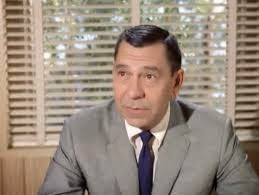
of the television program DRAGNET.
Remember Sargent Joe Friday?
One of favorite lines was, “Just the facts, m’am.”
Just the facts.
Sargent Friday would have a struggle finding the facts
when it comes to the Feast of Epiphany.
Because you see so many of the “facts” about Epiphany—
well, they’re not really “facts” at all.
For example,
We sing the hymn (which I love!)
“We three kings.”
There is not one word in the gospel
that says these men are kings.
The only king mentioned is Herod.
Perhaps when you heard Matthew’s gospel,
you were thinking,
Hmmm…it must be in one of the other gospels
where we are told these men are kings.
Nope!
The story of the magi, the wise men,
is found in only one gospel—Matthew.
And yes, it only says they are wise men—
it never says kings.
Our tradition has made them kings—
probably because of the extravagant gifts they bring—
gold, frankincense and myrrh.
And where are the camels?
We hear of camels in Isaiah, yes.
In most of our crèche scenes,
the wise men are always traveling with their camels.
Sorry. Not factual.
Not one word in Matthew’s gospel
about a camel—not even a donkey in this story.
The magi could have been walking.
We don’t have any facts about how they traveled.
Tradition-- but not scripture—
also gives us the names of these kings—
Balthazar
(some stories tell us he was King of Arabia)
Melchior
(he was the elderly one with the grey hair—
King of Persia)
And finally Caspar
(though sometimes you see his name written
as Gaspar or even Jasper)—
he was the young one, King of India.
Of course these names are not in the Bible.
But they have become part of the story.
And then there is that number: three.
Scripture never tells us there are three of them.
They are simply referred to as “wise men from the East.”
Orthodox tradition says there were 12 of them.
Some stories say there were 40 or 50 of them.
Our western tradition says three—
probably because there are three gifts
and we assume
they would each want to have their own gift.
After all, who wants to show up to see the Messiah
and have to say,
“Well, Melchior and I went in together
on your present!"
And about that baby.
Nope. Not a baby.
A “child” says scripture and that would be more accurate
Because let’s face it—if the wise men were walking,
by the time they arrived,
Jesus was probably starting to walk as well.
Not a baby in a manger
but a toddler
by the time they arrive.
But you see,
It is not about facts.
The truth is we don’t know the facts.
The truth is that we sometimes read scripture
and fill in the missing parts to fill in the story.
But that’s okay.
Because things don’t have to be factual
to be deeply true.
Epiphany is about shining the light
on something that is far bigger
than any collection of facts.
Epiphany comes from a Greek word which means
“manifestation” or “showing forth.”
Epiphany is the light bulb that goes off
over the cartoon character’s head.
Epiphany is the church season filled with AHA! moments.
The big AHA! of this church season is that
God has come into the world as a human being.
Divinity has morphed with humanity.
The AHA! of Epiphany is that anyone—absolutely anyone—
who wants to seek God
is welcome on the journey.
The wise men were from the East—they weren’t part of the inner circle—
they were the ultimate outsiders.
Gentiles—maybe even pagans.
Yet here they are in the gospel,
in Jesus’ story,
in our story.
All are welcome.
Epiphany reminds us that God does not hide from us.
God does not play favorites.
God is with us.
with all of us.
God wants to be found.
The psychologist Carl Jung, had these words
carved over the front door of his home in Zurich:
“Bidden or unbidden, God is present.”
Later he had those same words
carved on his tombstone.
Bidden or unbidden,
God is present.
God is manifest.
God is revealed.
Even when we may not see it.
Epiphany reminds us that God appears
in even the most mundane moments,
to even the most ordinary people.
We do not have to be a king
or ride a camel
or have a name like Balthazar
or have gold to offer.
We are simply invited to come, to seek, to journey.
We are called to pay attention,
to take notice.
Epiphany is the season when all the lights are turned on:
All the better to see you with, God.
God has jumped into the world as a baby—
not as a king,
not as a person of wealth or prestige—
but as a helpless, poopy little baby.
God jumps in as a baby at Christmas
and when Epiphany arrives,
when those magi (and we)
show up,
God shouts, with great joy, “Come in! Oh, do come in!
The door is open. Wide open.”
Epiphany is when we realize
that the door is always open,
the table always has room for one more,
and we are all invited to the party.
We are all invited to the feast.
This is indeed the FEAST of the Epiphany!
Tuesday, January 6, 2015
Cathedral Church of St. Paul, Burlington, Vermont
The Very Rev. Jeanne Finan
Feast not facts
Some of us are old enough to remember watching the original,
or young enough to have seen the re-runs,
of the television program DRAGNET.
Remember Sargent Joe Friday?
One of favorite lines was, “Just the facts, m’am.”
Just the facts.
Sargent Friday would have a struggle finding the facts
when it comes to the Feast of Epiphany.
Because you see so many of the “facts” about Epiphany—
well, they’re not really “facts” at all.
For example,
We sing the hymn (which I love!)
“We three kings.”
There is not one word in the gospel
that says these men are kings.
The only king mentioned is Herod.
Perhaps when you heard Matthew’s gospel,
you were thinking,
Hmmm…it must be in one of the other gospels
where we are told these men are kings.
Nope!
The story of the magi, the wise men,
is found in only one gospel—Matthew.
And yes, it only says they are wise men—
it never says kings.
Our tradition has made them kings—
probably because of the extravagant gifts they bring—
gold, frankincense and myrrh.
And where are the camels?
We hear of camels in Isaiah, yes.
In most of our crèche scenes,
the wise men are always traveling with their camels.
Sorry. Not factual.
Not one word in Matthew’s gospel
about a camel—not even a donkey in this story.
The magi could have been walking.
We don’t have any facts about how they traveled.
Tradition-- but not scripture—
also gives us the names of these kings—
Balthazar
(some stories tell us he was King of Arabia)
Melchior
(he was the elderly one with the grey hair—
King of Persia)
And finally Caspar
(though sometimes you see his name written
as Gaspar or even Jasper)—
he was the young one, King of India.
Of course these names are not in the Bible.
But they have become part of the story.
And then there is that number: three.
Scripture never tells us there are three of them.
They are simply referred to as “wise men from the East.”
Orthodox tradition says there were 12 of them.
Some stories say there were 40 or 50 of them.
Our western tradition says three—
probably because there are three gifts
and we assume
they would each want to have their own gift.
After all, who wants to show up to see the Messiah
and have to say,
“Well, Melchior and I went in together
on your present!"
And about that baby.
Nope. Not a baby.
A “child” says scripture and that would be more accurate
Because let’s face it—if the wise men were walking,
by the time they arrived,
Jesus was probably starting to walk as well.
Not a baby in a manger
but a toddler
by the time they arrive.
But you see,
It is not about facts.
The truth is we don’t know the facts.
The truth is that we sometimes read scripture
and fill in the missing parts to fill in the story.
But that’s okay.
Because things don’t have to be factual
to be deeply true.
Epiphany is about shining the light
on something that is far bigger
than any collection of facts.
Epiphany comes from a Greek word which means
“manifestation” or “showing forth.”
Epiphany is the light bulb that goes off
over the cartoon character’s head.
Epiphany is the church season filled with AHA! moments.
The big AHA! of this church season is that
God has come into the world as a human being.
Divinity has morphed with humanity.
The AHA! of Epiphany is that anyone—absolutely anyone—
who wants to seek God
is welcome on the journey.
The wise men were from the East—they weren’t part of the inner circle—
they were the ultimate outsiders.
Gentiles—maybe even pagans.
Yet here they are in the gospel,
in Jesus’ story,
in our story.
All are welcome.
Epiphany reminds us that God does not hide from us.
God does not play favorites.
God is with us.
with all of us.
God wants to be found.
The psychologist Carl Jung, had these words
carved over the front door of his home in Zurich:
“Bidden or unbidden, God is present.”
Later he had those same words
carved on his tombstone.
Bidden or unbidden,
God is present.
God is manifest.
God is revealed.
Even when we may not see it.
Epiphany reminds us that God appears
in even the most mundane moments,
to even the most ordinary people.
We do not have to be a king
or ride a camel
or have a name like Balthazar
or have gold to offer.
We are simply invited to come, to seek, to journey.
We are called to pay attention,
to take notice.
Epiphany is the season when all the lights are turned on:
All the better to see you with, God.
God has jumped into the world as a baby—
not as a king,
not as a person of wealth or prestige—
but as a helpless, poopy little baby.
God jumps in as a baby at Christmas
and when Epiphany arrives,
when those magi (and we)
show up,
God shouts, with great joy, “Come in! Oh, do come in!
The door is open. Wide open.”
Epiphany is when we realize
that the door is always open,
the table always has room for one more,
and we are all invited to the party.
We are all invited to the feast.
This is indeed the FEAST of the Epiphany!
The Visited Planet
Sermon for Christmas Day 2014
December 25, 2014
Cathedral Church of St. Paul, Burlington, Vermont
The Very Rev. Jeanne Finan
The Visited Planet
For those overwhelmed by Christmas.
Stop.
Sit down.
Rest a bit.
Imagine that you’re in God’s presence.
Because you are.
Now just be with God.
And let God be
with you.
Aren’t these marvelous words?
These words are written by Father James Martin,
a Jesuit priest,
and editor of AMERICA magazine.
Wonderfully wise words for Christmas Day--
especially for those of us
who love coming together to worship on the day of Christmas.
Yesterday evening over 300 people gathered
to watch little angels
and wise men and shepherds
energetically herald in
the birth of the baby Jesus.
And then a few hours after that
we listened to the angelic voices
of our choir
and then,
with our Bishop Tom Ely
moved into worship that ended close to midnight.
But here we are this morning.
Ready to worship once again.
I love Christmas Day.
Yes, there is that feeling of ,
“Whew! We made it!”
but it is much more than that.
It really is a grand day
to stop
and just be with God.
Christmas Day.
What a gift to begin this day together.
Here in the nave
of this Cathedral Church.
This is a grand day
to ponder the words we hear in John’s gospel:
The light shines in the darkness
and the darkness did not overcome it.
Darkness can be overwhelming at times.
The news headlines, both local and global,
can be so dark and desolate.
Many of us face
our own personal nooks and crannies
of despair and darkness.
The good news is
that there is good news.
The good news is
that there is light.
The good news is
that Christ has been born
this day
and will keep being born
every day.
Some of you may be familiar
with the Anglican clergyman
and author J. B. Phillips.
His most well known book may be the one titled
YOUR GOD IS TOO SMALL.
or perhaps it’s his translation of the New Testament--
THE NEW TESTAMENT IN MODERN ENGLISH.
What you may not know
is that Phillips also wrote a version
of the Christmas story
from the point of view of two angels.
The story is titled THE VISITED PLANET.
In his story
a senior angel is giving a very young angel
a tour of the universe.
The angels observe swirling galaxies and blazing suns
and then they fly across cosmic space
into one particular galaxy
of 500 billion stars.
Phillips writes:
As the two of them drew near to the star
which we call our sun
and to its circling planets,
the senior angel pointed to a very small,
and rather insignificant sphere turning very slowly
on its axis.
It looked as dull as a dirty tennis ball to the little angel,
whose mind was filled with the size and glory
of what he had seen.
“I want you to watch that one particularly,”
said the senior angel,
pointing with his finger.
“Well, it looks very small and dirty to me,”
said the little angel.
“What’s special about that one?”
You see, to that little angel,
who had seen things
that you and I can’t even imagine,
earth was not all that impressive.
That little angel’s jaw dropped open
when the senior angel told him
that it was this planet,
earth,
small, insignificant and not particularly clean,
this very planet
was the renowned Visited Planet.
“Do you mean that our great and glorious Prince..
went down in Person to this fifth rate little ball?
Why should He do a thing like that?”
The little angel’s face wrinkled in disgust.
“Do you mean to tell me,” he said,
“that he stooped so low as to become one of those
creeping, crawling creatures on that floating ball?”
“I do,
and I don’t think He would like you to call them
‘creeping crawling creatures’,
in that tone of voice.
For strange as it may seem to us,
He loves them.
He went down to visit them
to lift them up to become
like Him.”
The little angel looked blank.
Such a thought
was beyond his comprehension.
It is often
beyond our comprehension as well.
And the Word became flesh
and lived among us....
Why?
All because of love.
The immensity of God’s love for us,
for each of us,
for all of us.
Christmas says to us:
Believe.
Believe in this overwhelming, unconditional, love
Believe in this love
that is larger than the universe,
and much, much larger than any one of us.
Believe
that light is always trying to break into the darkness.
Believe
that love is stronger than hate.
Believe that God loves YOU--
yes, YOU--
and God wants only the best for you.
It is Christmas Day.
So at some point in this day stop.
Sit down.
Rest a bit.
Imagine that you’re in God’s presence.
Because you are.
Fall into God's love
and just be there.
Be with God.
Just as God is always being
with you.
Amen.
Holy Disorder
Sermon for Christmas Eve--10 PM
December 24, 2014
Cathedral Church of St. Paul, Burlington, Vermont The Very Rev. Jeanne Finan
HOLY DISORDER
My grandfather was born on December 25th,
Christmas Day.
I thought about that a lot as a child.
I would sometimes stare at my grandfather--
when I thought he wasn’t looking.
Born on Christmas Day, eh?
Hmmm..
Did that make my grandfather Jesus?
He was a carpenter. He really was.
And my grandfather was to me capable of miracles--
pulling a Reese’s Peanut Butter Cup
out of his pocket when you least expected it,
giving you a silver dollar that was minted
the exact same year you were born!
How could he do these amazing things?!!!
I kept a close eye on my grandfather,
until one day
I shared my suspicions with my little brother.
He listened but he shook his head,
no, no.
“Now think about it, Jeannie,” he said.
“Think about it.
Our mother’s name is Mary, right?”
“Right”, I nodded.
“And our father’s name is Joseph.”
December 24, 2014
Cathedral Church of St. Paul, Burlington, Vermont The Very Rev. Jeanne Finan
HOLY DISORDER
My grandfather was born on December 25th,
Christmas Day.
I thought about that a lot as a child.
I would sometimes stare at my grandfather--
when I thought he wasn’t looking.
Born on Christmas Day, eh?
Hmmm..
Did that make my grandfather Jesus?
He was a carpenter. He really was.
And my grandfather was to me capable of miracles--
pulling a Reese’s Peanut Butter Cup
out of his pocket when you least expected it,
giving you a silver dollar that was minted
the exact same year you were born!
How could he do these amazing things?!!!
I kept a close eye on my grandfather,
until one day
I shared my suspicions with my little brother.
He listened but he shook his head,
no, no.
“Now think about it, Jeannie,” he said.
“Think about it.
Our mother’s name is Mary, right?”
“Right”, I nodded.
“And our father’s name is Joseph.”
“Right.”
“So if anyone in our family is Jesus,”
continued my brother, “that would have to be ME!”
And my little brother pointed to himself.
No.
Seriously?
I decided right then
that I had NOT yet found Jesus
and I would need to keep looking.
The wonderful delight of Christmas
is that on this night,
we gather once again to sing a song,
as the psalmist reminds us,
that causes even the trees to shout for joy,
a song that proclaims to the world
that Christ is born,
that Jesus is here
and is oh-so-ready to be found.
Whether you hear this story of Jesus’ birth
as absolutely factual,
or whether you hear this story of Jesus’ birth
as pure metaphor and mystery,
or even if you don’t want to hear this story at all--
tonight,
this one night,
if we can open our hearts
for even an hour,
the manger is filled,
overflowing with God’s love, for all of us.
Doubt and questions
and emptiness may come later-- and that is okay--
because we are all walking our own faith journey--
but tonight, tonight.
Just let it go.
Let it go
(Relax, I am not going to sing that song!)
continued my brother, “that would have to be ME!”
And my little brother pointed to himself.
No.
Seriously?
I decided right then
that I had NOT yet found Jesus
and I would need to keep looking.
The wonderful delight of Christmas
is that on this night,
we gather once again to sing a song,
as the psalmist reminds us,
that causes even the trees to shout for joy,
a song that proclaims to the world
that Christ is born,
that Jesus is here
and is oh-so-ready to be found.
Whether you hear this story of Jesus’ birth
as absolutely factual,
or whether you hear this story of Jesus’ birth
as pure metaphor and mystery,
or even if you don’t want to hear this story at all--
tonight,
this one night,
if we can open our hearts
for even an hour,
the manger is filled,
overflowing with God’s love, for all of us.
Doubt and questions
and emptiness may come later-- and that is okay--
because we are all walking our own faith journey--
but tonight, tonight.
Just let it go.
Let it go
(Relax, I am not going to sing that song!)
But truthfully,
just let it go for just an hour or so.
Tonight
allow your eyes to look and see
a child lying in a manger.
Tonight
allow your heart to be full,
overflowing with love and compassion
and care
for each and every human being in this world.
So many of us
have heard the Christmas story so many times,
it is easy to think it is mundane.
It is anything but mundane.
This story, however, is a strange one,
a disorderly story in many ways.
We, as intelligent, rational human beings,
we like order.
We expect order.
We order up order.
Our desire is for an orderly and explainable world.
But the truth is
the world is exceptionally disorderly.
These past few months
have been a harsh reminder
of just how disorderly the world can be.
Journalists beheaded.
Worshippers in a Jerusalem synagogue slaughtered.
Over 100 children slain in their school in Pakistan.
Young men killed right here in our own country,
probably because their skin was the wrong color.
We recognize this torturous face of the world.
God comes to tell us
there is also a face of hope.
just let it go for just an hour or so.
Tonight
allow your eyes to look and see
a child lying in a manger.
Tonight
allow your heart to be full,
overflowing with love and compassion
and care
for each and every human being in this world.
So many of us
have heard the Christmas story so many times,
it is easy to think it is mundane.
It is anything but mundane.
This story, however, is a strange one,
a disorderly story in many ways.
We, as intelligent, rational human beings,
we like order.
We expect order.
We order up order.
Our desire is for an orderly and explainable world.
But the truth is
the world is exceptionally disorderly.
These past few months
have been a harsh reminder
of just how disorderly the world can be.
Journalists beheaded.
Worshippers in a Jerusalem synagogue slaughtered.
Over 100 children slain in their school in Pakistan.
Young men killed right here in our own country,
probably because their skin was the wrong color.
We recognize this torturous face of the world.
God comes to tell us
there is also a face of hope.
because good news can be born in the midst of,
even BECAUSE of it.
Creation itself was born out of chaos.
An orderly story
about the Messiah coming into the world
would have had a princess bearing this holy child--
not an unmarried girl from a questionable family.
Joseph would have been royalty
not a simple man,
willing to forgive Mary
for what most people probably believed
were her own sexual transgressions.
Mary and Joseph
would not have traveled to Bethlehem for the census
on a stinky donkey.
They would have been driven in a fine carriage.
Or more likely
they would not have been required to report at all.
They would have been the beneficiaries
of power and privilege.
Exceptions would have been made for them.
But there were no exceptions.
There was no elegant suite of reserved rooms
waiting for them in the inn.
They were pushed out back,
to sleep in a cave,
to camp out with the livestock.
The birth of Christ
was never imagined or expected
to happen as it does.
In poverty. In vulnerability.
In total and complete absence of power.
The message here
is not that our lives will be comfortable and easy.
The message is more
that our lives will have their goodly share
of disorder, chaos and surprise.
But the other part of this Christmas message
is that it’s okay.
In fact it’s good.
In fact its glorious.
There is hope,
there is possibility,
there is good news and great joy.
Posted recently on Facebook--
in many ways the Oracle of our times--
posted multiple times have been these words:
If you want to keep the Christ in Christmas,
feed the hungry, clothe the naked,
forgive the guilty,
welcome the stranger and the unwanted child,
care for the ill,
love your enemies.
We were out in Colorado for Thanksgiving
to visit our son and his family.
One night we were in Boulder on the downtown mall
(it could just as easily have been Church Street
here in Burlington)
and two men, rather dirty and scruffy looking
to my orderly and protective eyes,
were passing us as we walked along.
Both men carried huge, bulging backpacks.
All their worldly possessions was my guess.
One of them asked our daughter-in-law Natalie
if she knew where such and such a place was
and she did and she gave them directions.
And they thanked her to which she replied, “No problem.”
I heard our grandson, ten years old,
having noticed the men’s backpacks,
ask his mother,
“Mom, are those men going camping?”
There was a moment of quiet and then she answered,
“No. Those men are homeless.”
“Oh,” our grandson replied.
I am not sure he even knew what that meant
but I thought it was honest and open
that our daughter-in-law
did not sugarcoat a harsh truth.
in many ways the Oracle of our times--
posted multiple times have been these words:
If you want to keep the Christ in Christmas,
feed the hungry, clothe the naked,
forgive the guilty,
welcome the stranger and the unwanted child,
care for the ill,
love your enemies.
We were out in Colorado for Thanksgiving
to visit our son and his family.
One night we were in Boulder on the downtown mall
(it could just as easily have been Church Street
here in Burlington)
and two men, rather dirty and scruffy looking
to my orderly and protective eyes,
were passing us as we walked along.
Both men carried huge, bulging backpacks.
All their worldly possessions was my guess.
One of them asked our daughter-in-law Natalie
if she knew where such and such a place was
and she did and she gave them directions.
And they thanked her to which she replied, “No problem.”
I heard our grandson, ten years old,
having noticed the men’s backpacks,
ask his mother,
“Mom, are those men going camping?”
There was a moment of quiet and then she answered,
“No. Those men are homeless.”
“Oh,” our grandson replied.
I am not sure he even knew what that meant
but I thought it was honest and open
that our daughter-in-law
did not sugarcoat a harsh truth.
Our daughter-in-law Natalie
did not feed those two men or clothe them
but what she did do
was see them as her fellow human beings.
She spoke to them with gentle respect and good will.
She talked to them
just as she would have talked to her best friend.
She gave them the dignity we all seek.
And she did it with complete ease and grace.
Even though I do not think it was remotely her intention,
I think that this is what it means
to see the face of Jesus in every one we meet.
As Madeline L’Engle writes
in her poem “After Annunciation”:
This is the irrational season
When love blooms bright and wild.
Had Mary been filled with reason
There’d have been no room for the child.
Christmas is a season that reminds us to make room.
To make room for chaos.
To make room for vulnerability.
To make room for people
that are very, very different than us.
To make room for gazing up at the stars
in a night sky.
To make room for facing
the very things we fear the most.
To make room for hope
and for love and for compassion.
To let go
and trust that God is here with us.
God will make a way through the chaos,
did not feed those two men or clothe them
but what she did do
was see them as her fellow human beings.
She spoke to them with gentle respect and good will.
She talked to them
just as she would have talked to her best friend.
She gave them the dignity we all seek.
And she did it with complete ease and grace.
Even though I do not think it was remotely her intention,
I think that this is what it means
to see the face of Jesus in every one we meet.
As Madeline L’Engle writes
in her poem “After Annunciation”:
This is the irrational season
When love blooms bright and wild.
Had Mary been filled with reason
There’d have been no room for the child.
Christmas is a season that reminds us to make room.
To make room for chaos.
To make room for vulnerability.
To make room for people
that are very, very different than us.
To make room for gazing up at the stars
in a night sky.
To make room for facing
the very things we fear the most.
To make room for hope
and for love and for compassion.
To let go
and trust that God is here with us.
God will make a way through the chaos,
God will to walk beside us
when life is brimming over with disorder.
The name “Emmanuel” means:
God with us.
God with us.
Coming into our lives
as the Christ child.
Born. Vulnerable.
Willing to enter
into this disorderly world
and face the chaos right beside us.
The hopes and fears of all the years
are born in thee tonight.
Emmanuel has come.
Merry Christmas!
when life is brimming over with disorder.
The name “Emmanuel” means:
God with us.
God with us.
Coming into our lives
as the Christ child.
Born. Vulnerable.
Willing to enter
into this disorderly world
and face the chaos right beside us.
The hopes and fears of all the years
are born in thee tonight.
Emmanuel has come.
Merry Christmas!
RRRRRRoooarrr!
Sermon for Year B Advent 3
December 14, 2014
Cathedral Church of St. Paul, Burlington, Vermont
The Very Rev. Jeanne Finan
RRRRRoooarrr!
The year was 1977.
Our daughter was only two years old.
I remember reading and hearing about this film that was coming
and I remember my husband Tom was very excited--
“I really want to see this film,” he kept saying.
I wasn’t so sure.
Hmmm...sounds like science fiction to me
and I am not a big fan of science fiction.
So the movie came out, to rave reviews,
but we didn’t see it.
A few years later
when our daughter was 4 and our son was two,
STAR WARS came to the drive in movie theater
in Charlottesville, Virginia.
So we piled our children in the back seat,
brought along blankets and snacks
and off we went to see STAR WARS.
Our children fell asleep soon after the film began
as the novelty of watching a movie outdoors in our car wore off,
but Tom and I were mesmerized by the film.
Even in the rain--
yes, we watched STAR WARS the first time
at a drive in movie in the pouring rain.
I am still not a fan of science fiction,
but STAR WARS was not sleek and futuristic,
it was as one reviewer put it,
rather “dirty and grimy.”
But it had everything a good story needs.
There is evil--the Emperor and Darth Vader.
There is innocence and courage--Luke Skywalker.
There is a risk taker--the surly Hans Solo.
There is intelligence---Princess Leia.
There is an ancestor, a teacher--Obi-wan-Kenobi
and of course, there is wisdom,
the Jedi Master Yoda.
There are also rebels.
Not Confederate rebels, not rebels without a cause
but rebels who are resistance fighters.
Those willing to take risks for the good of others,
to follow the Force and defeat evil.
You see, if we think about it,
STAR WARS has some great Advent themes.
Oppression.
Captives.
Prisoners.
Those who mourn.
Devastations.
Ruined cities.
Darkness.
And can’t you imagine Chewbacca as John the Baptist,
crying out in the wilderness.
RRRRooooar!
It is also interesting--in an Advent sort of way--
that when STAR WARS was re-released in 1981,
they added a sub-title: STAR WARS: A NEW HOPE.
Hope is such a strong theme in Advent.
I do not think that filmmaker George Lucas
sat around pondering, Isaiah and Thessalonians and the gospels
and the liturgical seasons
and came down to breakfast one morning and said,
“You know. I think I’ll make an Advent movie.”
I doubt that is how STAR WARS was created.
But the truth is Advent themes are timeless.
We can read and hear the words from Isaiah
and think,
“Oh, that is so old school.
Who cares about what happened 2500 years ago?”
We should care.
Because truth does not wear
an expiration date.
Scholars concede that this passage from Isaiah?
is not about Jesus coming as the Messiah,
though we can certainly make that leap.
After all, if I can ask you to think of Chewbacca
as John the Baptist,
we can stretch to think Isaiah is writing about,
predicting the coming of Christ.
But historically
Isaiah is writing to a people who are returning from exile.
Returning to their beloved city of Jerusalem.
They do not return to a world that is perfect.
Far from it.
Again, think dirty and grimy.
They find ruins,
both physical and cultural.
The Temple has not been rebuilt.
Yet they still believe that God is at work,
often in unexpected and unpredictable ways.
They still believe the promise of freedom
and comfort and restoration.
There is hope.
We can go to the future in STAR WARS
and we can go to the past in Isaiah,
but the truth is,
we are still called--today--right now,
to bring good news to the oppressed,
to bind up the broken hearted,
to proclaim liberty to the captives
and release to the prisoners.
The world is still under siege
by troubled relationships
and power struggles.
We are called to be resistance fighters.
To fight off despair
and put on the mantle of light, of hope.
To work WITH God to change the world
in the ways the world needs changing.
There was a man sent from God, whose name was John.
He came as a witness to testify to the light.
The truth is we are all sent from God.
We all come as witnesses
and our challenge is: will we take the risks to testify to the light?
This does not mean taking a wooden box
down to the corner of Battery and Cherry,
climbing up upon it
and crying out REPENT!
Then how you might ask?
It is a path we each must find.
Our path, our mission.
But the letter to the Thessalonians offers a great place to start:
Rejoice always,
pray without ceasing,
give thanks in all circumstances.
If you think this is mundane and simple-minded advice,
I suggest you give it a try.
It’s not as easy as it sounds
but it is also more powerful than it sounds.
In her memoir MIGHTY BE OUR POWERS (2011),
the Nobel laureate Leymah Gbowee
describes how one night she had a dream.
"I didn't know where I was. Everything was dark.
I couldn't see a face,
but I heard a voice,
and it was talking to me —
commanding me:
'Gather the women to pray for peace!' "
When Leymah Gbowee woke up,
she didn’t know what to think
because it sounded so strange--
I mean, to think she had heard the voice of God
talking to her, in a dream?
Pray for peace?
Peace at that time in Liberia--
after 14 years of brutal and crushing civil war --
seemed absurd.
Estimates at that time
were that 10% of Liberia’s population had been slaughtered,
another 25% had fled the country.
Schools and hospitals closed.
There was no water, electricity or phones.
Starvation, torture, mutilation--
talk about dirty and grimy.
But later that morning,
Leymah Gbowee shared her dream
with some women
at her Lutheran church.
About twenty Lutheran women began
gathering every Tuesday at noon to pray.
They invited women from other Christian churches.
At one meeting, a woman stood and said,
"I'm the only Muslim here,
and we want to join this peace movement."
And do you know what those Christian women said?
They said, “Praise God! Come and join us.”
Muslim and Christian women formed an alliance.
They shared their horror stories.
Training sessions and workshops followed.
They passed out brochures and marched to city hall.
Three days a week for six months
they visited the mosques, the markets,
and the churches of Monrovia:
"Liberian women, awake for peace!"
And they kept praying.
Praying without ceasing.
In the end, these women forced Charles Taylor to peace talks.
After the 2003 peace accords,
these women were instrumental in disarming the country,
registering voters and electing Ellen Johnson Sirleaf
as the first woman head of state in Africa.
Pray without ceasing.
Who were these women?
Leymah Gbowee replies,
"They are ordinary mothers, grandmothers, aunts, sisters."
They sowed bitter tears. They went out weeping.
And they acted on their dreams of peace, joy, and laughter
for their beloved country.
These women were resistance fighters.
And they were people just like you and just like me.
Just like us--women AND men alike.
We live in wilderness times.
It is doubtful that wilderness times will ever be in short supply.
But we are still called to raise our voices
so there is never a doubt
that there is always hope.
That justice is always a possibility.
Those who sowed with tears
will reap with songs of joy.
God calls us to resist despair.
to resist injustice.
Our world is not sleek and neat.
dirty and grimy.
We are called to be resistance fighters.
Think STAR WARS,
think John the Baptist,
think Jesus,
think women of Liberia,
think you and me.
We are not the Messiah
but we too can be voices crying out in the wilderness.
RRRRooooarr!
December 14, 2014
Cathedral Church of St. Paul, Burlington, Vermont
The Very Rev. Jeanne Finan
RRRRRoooarrr!
The year was 1977.
Our daughter was only two years old.
I remember reading and hearing about this film that was coming
and I remember my husband Tom was very excited--
“I really want to see this film,” he kept saying.
I wasn’t so sure.
Hmmm...sounds like science fiction to me
and I am not a big fan of science fiction.
So the movie came out, to rave reviews,
but we didn’t see it.
A few years later
when our daughter was 4 and our son was two,
STAR WARS came to the drive in movie theater
in Charlottesville, Virginia.
So we piled our children in the back seat,
brought along blankets and snacks
and off we went to see STAR WARS.
Our children fell asleep soon after the film began
as the novelty of watching a movie outdoors in our car wore off,
but Tom and I were mesmerized by the film.
Even in the rain--
yes, we watched STAR WARS the first time
at a drive in movie in the pouring rain.
I am still not a fan of science fiction,
but STAR WARS was not sleek and futuristic,
it was as one reviewer put it,
rather “dirty and grimy.”
But it had everything a good story needs.
There is evil--the Emperor and Darth Vader.
There is innocence and courage--Luke Skywalker.
There is a risk taker--the surly Hans Solo.
There is intelligence---Princess Leia.
There is an ancestor, a teacher--Obi-wan-Kenobi
and of course, there is wisdom,
the Jedi Master Yoda.
There are also rebels.
Not Confederate rebels, not rebels without a cause
but rebels who are resistance fighters.
Those willing to take risks for the good of others,
to follow the Force and defeat evil.
You see, if we think about it,
STAR WARS has some great Advent themes.
Oppression.
Captives.
Prisoners.
Those who mourn.
Devastations.
Ruined cities.
Darkness.
And can’t you imagine Chewbacca as John the Baptist,
crying out in the wilderness.
RRRRooooar!
It is also interesting--in an Advent sort of way--
that when STAR WARS was re-released in 1981,
they added a sub-title: STAR WARS: A NEW HOPE.
Hope is such a strong theme in Advent.
I do not think that filmmaker George Lucas
sat around pondering, Isaiah and Thessalonians and the gospels
and the liturgical seasons
and came down to breakfast one morning and said,
“You know. I think I’ll make an Advent movie.”
I doubt that is how STAR WARS was created.
But the truth is Advent themes are timeless.
We can read and hear the words from Isaiah
and think,
“Oh, that is so old school.
Who cares about what happened 2500 years ago?”
We should care.
Because truth does not wear
an expiration date.
Scholars concede that this passage from Isaiah?
is not about Jesus coming as the Messiah,
though we can certainly make that leap.
After all, if I can ask you to think of Chewbacca
as John the Baptist,
we can stretch to think Isaiah is writing about,
predicting the coming of Christ.
But historically
Isaiah is writing to a people who are returning from exile.
Returning to their beloved city of Jerusalem.
They do not return to a world that is perfect.
Far from it.
Again, think dirty and grimy.
They find ruins,
both physical and cultural.
The Temple has not been rebuilt.
Yet they still believe that God is at work,
often in unexpected and unpredictable ways.
They still believe the promise of freedom
and comfort and restoration.
There is hope.
We can go to the future in STAR WARS
and we can go to the past in Isaiah,
but the truth is,
we are still called--today--right now,
to bring good news to the oppressed,
to bind up the broken hearted,
to proclaim liberty to the captives
and release to the prisoners.
The world is still under siege
by troubled relationships
and power struggles.
We are called to be resistance fighters.
To fight off despair
and put on the mantle of light, of hope.
To work WITH God to change the world
in the ways the world needs changing.
There was a man sent from God, whose name was John.
He came as a witness to testify to the light.
The truth is we are all sent from God.
We all come as witnesses
and our challenge is: will we take the risks to testify to the light?
This does not mean taking a wooden box
down to the corner of Battery and Cherry,
climbing up upon it
and crying out REPENT!
Then how you might ask?
It is a path we each must find.
Our path, our mission.
But the letter to the Thessalonians offers a great place to start:
Rejoice always,
pray without ceasing,
give thanks in all circumstances.
If you think this is mundane and simple-minded advice,
I suggest you give it a try.
It’s not as easy as it sounds
but it is also more powerful than it sounds.
In her memoir MIGHTY BE OUR POWERS (2011),
the Nobel laureate Leymah Gbowee
describes how one night she had a dream.
"I didn't know where I was. Everything was dark.
I couldn't see a face,
but I heard a voice,
and it was talking to me —
commanding me:
'Gather the women to pray for peace!' "
When Leymah Gbowee woke up,
she didn’t know what to think
because it sounded so strange--
I mean, to think she had heard the voice of God
talking to her, in a dream?
Pray for peace?
Peace at that time in Liberia--
after 14 years of brutal and crushing civil war --
seemed absurd.
Estimates at that time
were that 10% of Liberia’s population had been slaughtered,
another 25% had fled the country.
Schools and hospitals closed.
There was no water, electricity or phones.
Starvation, torture, mutilation--
talk about dirty and grimy.
But later that morning,
Leymah Gbowee shared her dream
with some women
at her Lutheran church.
About twenty Lutheran women began
gathering every Tuesday at noon to pray.
They invited women from other Christian churches.
At one meeting, a woman stood and said,
"I'm the only Muslim here,
and we want to join this peace movement."
And do you know what those Christian women said?
They said, “Praise God! Come and join us.”
Muslim and Christian women formed an alliance.
They shared their horror stories.
Training sessions and workshops followed.
They passed out brochures and marched to city hall.
Three days a week for six months
they visited the mosques, the markets,
and the churches of Monrovia:
"Liberian women, awake for peace!"
And they kept praying.
Praying without ceasing.
In the end, these women forced Charles Taylor to peace talks.
After the 2003 peace accords,
these women were instrumental in disarming the country,
registering voters and electing Ellen Johnson Sirleaf
as the first woman head of state in Africa.
Pray without ceasing.
Who were these women?
Leymah Gbowee replies,
"They are ordinary mothers, grandmothers, aunts, sisters."
They sowed bitter tears. They went out weeping.
And they acted on their dreams of peace, joy, and laughter
for their beloved country.
These women were resistance fighters.
And they were people just like you and just like me.
Just like us--women AND men alike.
We live in wilderness times.
It is doubtful that wilderness times will ever be in short supply.
But we are still called to raise our voices
so there is never a doubt
that there is always hope.
That justice is always a possibility.
Those who sowed with tears
will reap with songs of joy.
God calls us to resist despair.
to resist injustice.
Our world is not sleek and neat.
dirty and grimy.
We are called to be resistance fighters.
Think STAR WARS,
think John the Baptist,
think Jesus,
think women of Liberia,
think you and me.
We are not the Messiah
but we too can be voices crying out in the wilderness.
RRRRooooarr!
Labels:
advent,
Chewbacca,
hope,
wilderness
Monday, November 24, 2014
Jumping Up and Down
Sermon for Last Sunday after Pentecost
November 23, 2014
Cathedral Church of St. Paul, Burlington, VT
The Very Rev. Jeanne Finan
It was supposed to be Arts & Crafts for a week,
but when she came home
with the “Jesus Saves” button, we knew what art
was up, what ancient craft.
She liked her little friends. She liked the songs
they sang when they weren’t
twisting and folding paper into dolls.
What could be so bad?
Jesus had been a good man, and putting faith
in good men was what
we had to do to stay this side of cynicism,
that other sadness.
OK, we said, One week. But when she came home
singing “Jesus loves me,
the Bible tells me so,” it was time to talk.
Could we say Jesus
doesn’t love you? Could I tell her the Bible
is a great book certain people use
to make you feel bad? We sent her back
without a word.
It had been so long since we believed, so long
since we needed Jesus
as our nemesis and friend, that we thought he was
sufficiently dead,
that our children would think of him like Lincoln
or Thomas Jefferson.
Soon it became clear to us: you can’t teach disbelief
to a child,
only wonderful stories, and we hadn’t a story
nearly as good.
On parents’ night there were the Arts & Crafts
all spread out
like appetizers. Then we took our seats
in the church
and the children sang a song about the Ark,
and Hallelujah
and one in which they had to jump up and down
for Jesus.
I can’t remember ever feeling so uncertain
about what’s comic, what’s serious.
Evolution is magical but devoid of heroes.
You can’t say to your child
“Evolution loves you.” The story stinks
of extinction and nothing
exciting happens for centuries. I didn’t have
a wonderful story for my child
and she was beaming. All the way home in the car
she sang the songs,
occasionally standing up for Jesus.
There was nothing to do
but drive, ride it out, sing along
in silence.
That is Stephen Dunn’s poem “At the Smithfield Methodist Church.”
One of my very favorite poems.
It so lovingly lays out our struggle with belief.
Our wrestling match with this man named Jesus
and the Church.
Today is the “Last Sunday after Pentecost.”
That sounds rather final, doesn’t it?
Here’s the good news--
it is not our last Sunday ever--just the Last Sunday of this liturgical season.
Many, many weeks ago we celebrated the Feast of Pentecost,
the coming of the Holy Spirit onto the disciples and onto all of us.
Some refer to Pentecost as the birthday of the Church.
If we think back we can remember the red vestments,
the kite flying over our heads inside the Cathedral,
the party that followed.
But time passes.
Weeks go by and here we are in a time of shorter days,
greyer skies, and time to ponder.
We began to wonder.
Am I a sheep or a goat?
Do I want to follow or do I want to butt heads with the Church?
Do I want to stand up for Jesus
or do I want to run and hide,
be silent, be sullen.
What is true?
What is real?
How can we know?
We spend so much effort trying to “fix” the church--
and each other, I might add--
that sometimes we miss the point.
The Church is not a fixer upper.
The Church is a community of God’s people.
Yes, there are flaws, definite whiffs of goat-dom at times.
But God does not call us--as individuals or as communities--
to be perfect.
God calls us to be faithful.
God calls us to be kind to one another, to be compassionate, to respect each other.
The Church does not belong to us--
the Church belongs to God AND us--together.
We also need to remember that we don’t have to find God.
God will find us.
If we open our hearts--and sometimes, even when we don’t.
It helps to show up.
Of course, as your priest,
I think it helps-- a lot-- to show up in church.
To pray and to worship, to give thanks.
And even for the most skeptical of us,
there is always that off chance
that we might be transformed
in ways we did not ask or imagine.
Yes, show up at church to pray and worship and give thanks,
but show up other places too.
I think it helps to show up in a lot of places
just as Jesus showed up in a lot of places.
Show up to offer hospitality to the stranger.
We do that by hanging out in the South Porch and welcoming
those coming through our doors.
Do you realize how much courage it takes to walk in the doors of a church
when you have been away for a long time?
Imagine the amount of courage it takes to walk through the doors
if you have NEVER been to church. Ever.
This is the world we live in today.
We greet one another at the time of passing God’s peace.
We host a coffee hour.
We fix a pot of stew or bring a gallon of milk
or help serve dinner at the Salvation Army.
We wash the pots and pans.
We invite someone to come to church.
We volunteer at JUMP and provide clothing and food
and diapers and a bus pass
and other basic needs for these strangers
that God has brought to our door.
We get involved with Vermont Interfaith Action
and write position papers
to try to change a system that sometimes feels unchangeable.
We jump up and down for justice
and believe that the impossible is possible.
We make a donation to the UTO fund
simply because we are thankful.
We care about what is happening in Zimbabwe and Haiti and Kenya
and Costa Rica.
We teach Church School to the littlest ones among us
and with the bigger ones,
we talk about the psalms or healing oils
or a walk through spiritual darkness.
We visit those in prison
always remembering that there are many types of prisons.
We begin to stop believing that we are the ones in control,
that we are the rulers of the universe.
On rare occasions we get it.
We understand how little control we have.
The doctor enters the examining room and says,
“We got your tests back and the news is not good...”
The phone rings in the middle of the night
and it is the call we hoped we would never get.
We stand helpless as we watch our teenager
or our husband or our wife--or ourselves--
spiral down into the deep, dark hole of depression or addiction.
Or both.
The rains come and the waters rise
and everything we worked so hard for and thought was ours forever
is washed away.
Suddenly we are the ones who need feeding and clothing
and tender visits.
Control is such a convincing illusion.
But Jesus keeps telling us that control is not what matters.
Love matters. Compassion matters.
God’s unquenchable thirst for restoration, for resurrection
begins to get our attention.
We sometimes think it is all up to us.
That we are the ones wearing the crown.
That we are the kings and the queens of the universe.
Not true.
The little girl in Stephen Dunn’s poem
has is right.
We are not called to have all the answers.
We are called to be joyful.
We are not called to be powerful.
We are called to be thankful.
We are called to see the face of Christ
in everyone we meet.
To see the face of Christ
in every single person.
To pay attention to the God-moments,
those lightning flashes of grace
that remind us of the kingdom that is coming,
but to also remind us,
that the kingdom
is already here.
Amen.
+ + +
Stephen Dunn is one of my favorite poets. I encourage you to buy one of his books of poetry.These are just a few.
November 23, 2014
Cathedral Church of St. Paul, Burlington, VT
The Very Rev. Jeanne Finan
Jumping up and down
It was supposed to be Arts & Crafts for a week,
but when she came home
with the “Jesus Saves” button, we knew what art
was up, what ancient craft.
She liked her little friends. She liked the songs
they sang when they weren’t
twisting and folding paper into dolls.
What could be so bad?
Jesus had been a good man, and putting faith
in good men was what
we had to do to stay this side of cynicism,
that other sadness.
OK, we said, One week. But when she came home
singing “Jesus loves me,
the Bible tells me so,” it was time to talk.
Could we say Jesus
doesn’t love you? Could I tell her the Bible
is a great book certain people use
to make you feel bad? We sent her back
without a word.
It had been so long since we believed, so long
since we needed Jesus
as our nemesis and friend, that we thought he was
sufficiently dead,
that our children would think of him like Lincoln
or Thomas Jefferson.
Soon it became clear to us: you can’t teach disbelief
to a child,
only wonderful stories, and we hadn’t a story
nearly as good.
On parents’ night there were the Arts & Crafts
all spread out
like appetizers. Then we took our seats
in the church
and the children sang a song about the Ark,
and Hallelujah
and one in which they had to jump up and down
for Jesus.
I can’t remember ever feeling so uncertain
about what’s comic, what’s serious.
Evolution is magical but devoid of heroes.
You can’t say to your child
“Evolution loves you.” The story stinks
of extinction and nothing
exciting happens for centuries. I didn’t have
a wonderful story for my child
and she was beaming. All the way home in the car
she sang the songs,
occasionally standing up for Jesus.
There was nothing to do
but drive, ride it out, sing along
in silence.
That is Stephen Dunn’s poem “At the Smithfield Methodist Church.”
One of my very favorite poems.
It so lovingly lays out our struggle with belief.
Our wrestling match with this man named Jesus
and the Church.
Today is the “Last Sunday after Pentecost.”
That sounds rather final, doesn’t it?
Here’s the good news--
it is not our last Sunday ever--just the Last Sunday of this liturgical season.
Many, many weeks ago we celebrated the Feast of Pentecost,
the coming of the Holy Spirit onto the disciples and onto all of us.
Some refer to Pentecost as the birthday of the Church.
If we think back we can remember the red vestments,
the kite flying over our heads inside the Cathedral,
the party that followed.
But time passes.
Weeks go by and here we are in a time of shorter days,
greyer skies, and time to ponder.
We began to wonder.
Am I a sheep or a goat?
Do I want to follow or do I want to butt heads with the Church?
Do I want to stand up for Jesus
or do I want to run and hide,
be silent, be sullen.
What is true?
What is real?
How can we know?
We spend so much effort trying to “fix” the church--
and each other, I might add--
that sometimes we miss the point.
The Church is not a fixer upper.
The Church is a community of God’s people.
Yes, there are flaws, definite whiffs of goat-dom at times.
But God does not call us--as individuals or as communities--
to be perfect.
God calls us to be faithful.
God calls us to be kind to one another, to be compassionate, to respect each other.
The Church does not belong to us--
the Church belongs to God AND us--together.
We also need to remember that we don’t have to find God.
God will find us.
If we open our hearts--and sometimes, even when we don’t.
It helps to show up.
Of course, as your priest,
I think it helps-- a lot-- to show up in church.
To pray and to worship, to give thanks.
And even for the most skeptical of us,
there is always that off chance
that we might be transformed
in ways we did not ask or imagine.
Yes, show up at church to pray and worship and give thanks,
but show up other places too.
I think it helps to show up in a lot of places
just as Jesus showed up in a lot of places.
Show up to offer hospitality to the stranger.
We do that by hanging out in the South Porch and welcoming
those coming through our doors.
Do you realize how much courage it takes to walk in the doors of a church
when you have been away for a long time?
Imagine the amount of courage it takes to walk through the doors
if you have NEVER been to church. Ever.
This is the world we live in today.
We greet one another at the time of passing God’s peace.
We host a coffee hour.
We fix a pot of stew or bring a gallon of milk
or help serve dinner at the Salvation Army.
We wash the pots and pans.
We invite someone to come to church.
We volunteer at JUMP and provide clothing and food
and diapers and a bus pass
and other basic needs for these strangers
that God has brought to our door.
We get involved with Vermont Interfaith Action
and write position papers
to try to change a system that sometimes feels unchangeable.
We jump up and down for justice
and believe that the impossible is possible.
We make a donation to the UTO fund
simply because we are thankful.
We care about what is happening in Zimbabwe and Haiti and Kenya
and Costa Rica.
We teach Church School to the littlest ones among us
and with the bigger ones,
we talk about the psalms or healing oils
or a walk through spiritual darkness.
We visit those in prison
always remembering that there are many types of prisons.
We begin to stop believing that we are the ones in control,
that we are the rulers of the universe.
On rare occasions we get it.
We understand how little control we have.
The doctor enters the examining room and says,
“We got your tests back and the news is not good...”
The phone rings in the middle of the night
and it is the call we hoped we would never get.
We stand helpless as we watch our teenager
or our husband or our wife--or ourselves--
spiral down into the deep, dark hole of depression or addiction.
Or both.
The rains come and the waters rise
and everything we worked so hard for and thought was ours forever
is washed away.
Suddenly we are the ones who need feeding and clothing
and tender visits.
Control is such a convincing illusion.
But Jesus keeps telling us that control is not what matters.
Love matters. Compassion matters.
God’s unquenchable thirst for restoration, for resurrection
begins to get our attention.
We sometimes think it is all up to us.
That we are the ones wearing the crown.
That we are the kings and the queens of the universe.
Not true.
The little girl in Stephen Dunn’s poem
has is right.
We are not called to have all the answers.
We are called to be joyful.
We are not called to be powerful.
We are called to be thankful.
We are called to see the face of Christ
in everyone we meet.
To see the face of Christ
in every single person.
To pay attention to the God-moments,
those lightning flashes of grace
that remind us of the kingdom that is coming,
but to also remind us,
that the kingdom
is already here.
Amen.
+ + +
Stephen Dunn is one of my favorite poets. I encourage you to buy one of his books of poetry.These are just a few.
Subscribe to:
Posts (Atom)